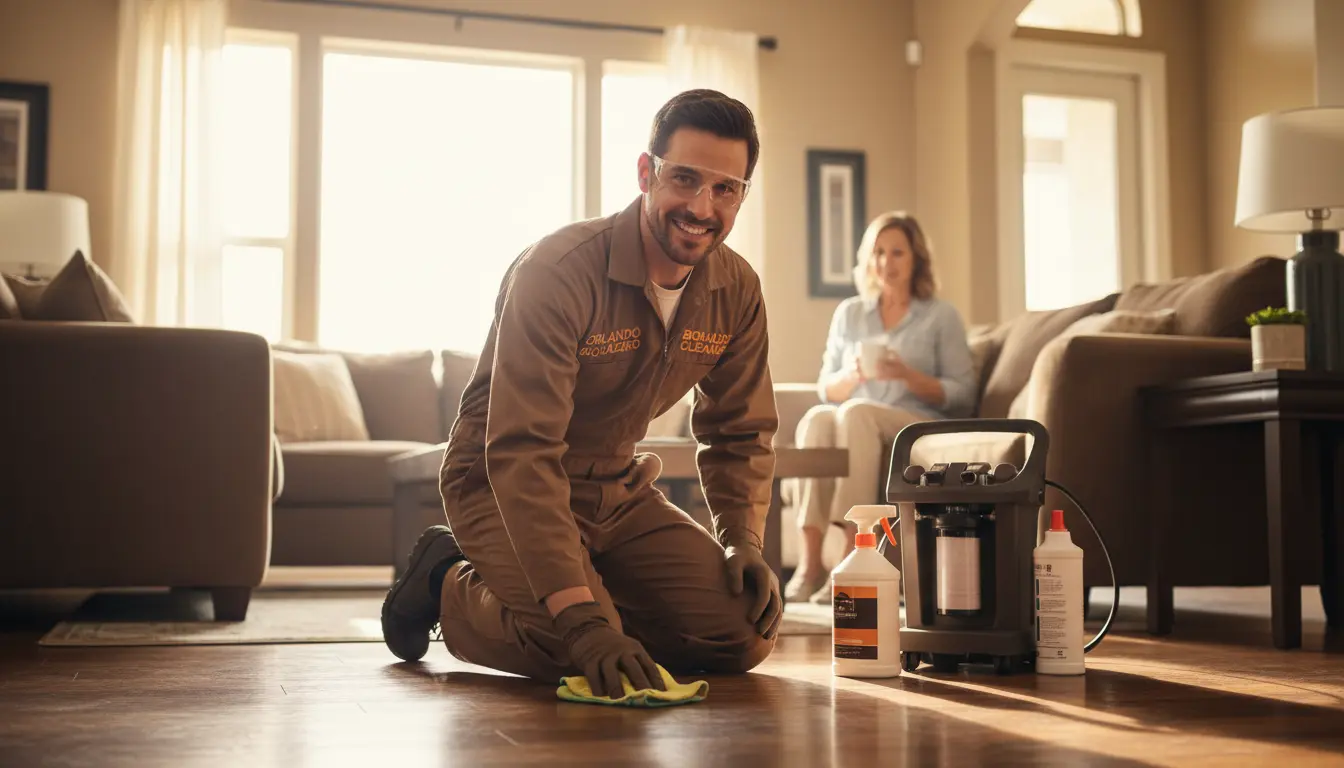
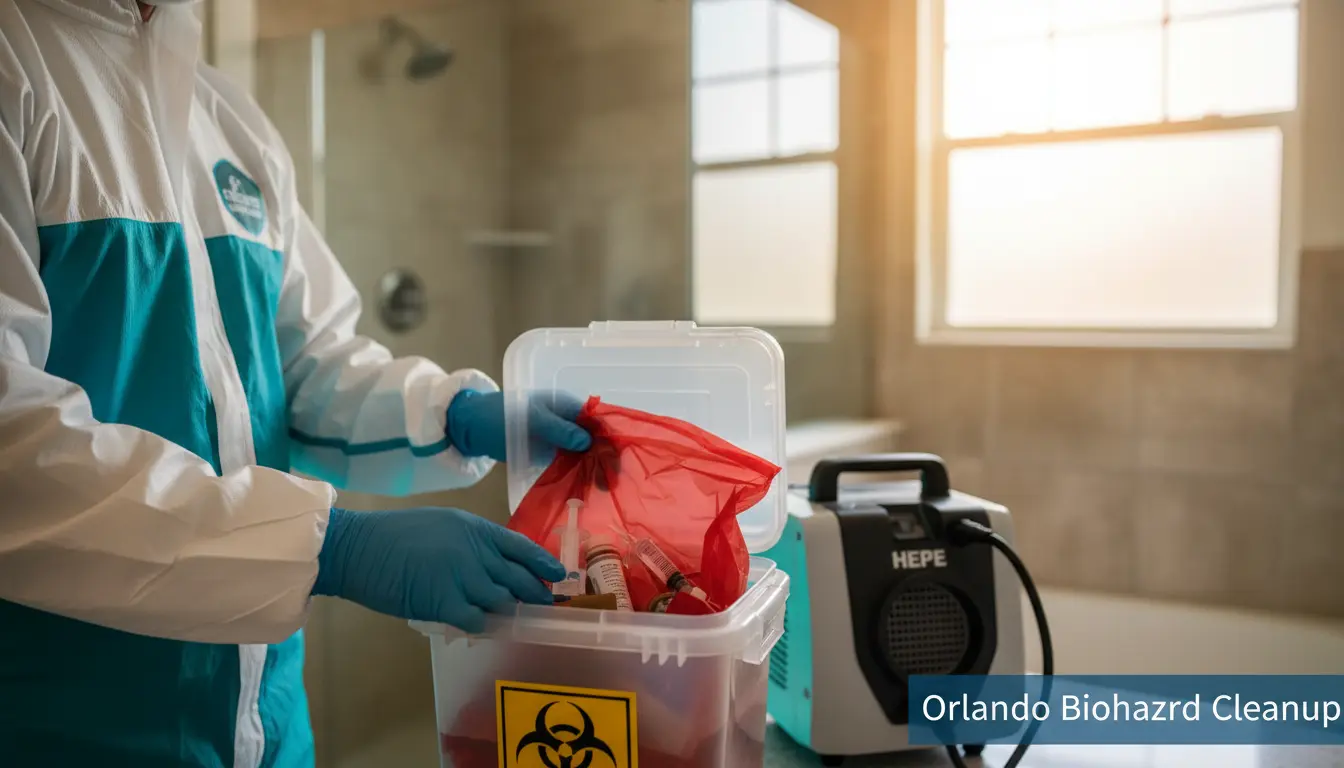
In the bustling heart of Orlando, where healthcare facilities thrive alongside vibrant communities, proper medical waste disposal isn’t just a regulation—it’s a lifeline. From hospitals in downtown to clinics in Winter Park, mishandling biohazardous materials can lead to serious health risks, environmental hazards, and hefty fines. As a leading provider of biohazard cleanup services, Orlando Biohazard Cleanup understands the unique challenges faced by medical professionals and residents in Central Florida. In this comprehensive guide, we’ll explore proven best practices to keep your operations safe, compliant, and efficient. Whether you’re managing sharps or infectious waste, these tips will empower you to protect public health while navigating local regulations.
Understanding Medical Waste and Its Risks in Orlando
Medical waste encompasses a wide range of materials generated from healthcare activities, including sharps, infectious agents, pharmaceuticals, and pathological waste. In Orlando, where tourism and population density amplify exposure risks, improper disposal can contaminate waterways like Lake Eola or pose threats during events at the Orange County Convention Center.
Types of Medical Waste You Need to Know
- Infectious Waste: Anything contaminated with blood or bodily fluids, such as bandages or cultures.
- Sharps Waste: Needles, scalpels, and broken glass that can cause punctures.
- Chemical Waste: Expired medications or disinfectants requiring special handling.
- Pathological Waste: Tissues or organs from surgeries.
Ignoring these categories can lead to outbreaks or legal issues under Florida’s strict Department of Health guidelines. For specialized handling, consider our sharps disposal services tailored for Orlando’s medical community.
Regulatory Framework for Medical Waste in Florida and Orlando
Florida law, enforced by the Florida Department of Environmental Protection (DEP) and local Orange County ordinances, mandates proper segregation, storage, and transport of medical waste. Facilities must register with the state and follow EPA standards for incineration or autoclaving.
Key Compliance Steps
- Segregation at Source: Separate waste streams immediately to prevent cross-contamination. Use color-coded bins: red for infectious, yellow for sharps.
- Labeling Requirements: All containers must be labeled with biohazard symbols and contents, especially for transport to licensed facilities in the Orlando area.
- Storage Guidelines: Keep waste in leak-proof, puncture-resistant containers stored away from public areas, not exceeding 30 days per DEP rules.
Non-compliance can result in fines up to $50,000. Orlando Biohazard Cleanup stays updated on these regs to help businesses in Maitland avoid pitfalls.
Step-by-Step Best Practices for Safe Disposal
Implementing robust protocols minimizes risks and streamlines operations. Here’s actionable advice drawn from industry standards and our experience serving Orlando’s healthcare sector.
1. Proper Segregation and Collection
Start with training staff on waste identification. In high-volume settings like those near Longwood, use puncture-proof sharps containers filled no more than three-quarters full. For general infectious waste, opt for autoclavable bags that withstand sterilization.
Tip: Conduct monthly audits to ensure 100% compliance. This simple habit can prevent costly errors.
2. Safe Storage and Handling
Store waste in a secure, ventilated area inaccessible to unauthorized personnel. In Orlando’s humid climate, use rodent-proof containers to avoid infestations. Temperature control is crucial—keep below 45°F to inhibit bacterial growth.
Actionable Advice: Install spill kits nearby and train on PPE usage, including gloves, masks, and gowns. For larger facilities, integrate RFID tracking for waste bins to monitor fill levels remotely.
3. Transportation Protocols
Transport must use licensed haulers with DEP permits. Vehicles should have spill containment and GPS tracking. In urban Orlando traffic, schedule off-peak pickups to reduce exposure risks.
Pro Tip: Partner with certified providers like Orlando Biohazard Cleanup for seamless biohazard waste removal. We handle everything from pickup in Windermere to final disposal at approved sites.
4. Treatment and Final Disposal Methods
Preferred methods include autoclaving, chemical treatment, or incineration at EPA-approved facilities. Avoid landfills—Orlando’s waste management bans untreated biohazards.
Best Practice: For sharps, use on-site compactors before transport. Document all processes for audits, retaining records for three years as required by law.
5. Employee Training and Emergency Preparedness
Annual training sessions should cover spill response, PPE donning, and waste handling. Develop an emergency plan for incidents like needlestick injuries, including immediate reporting to OSHA.
In Orlando’s storm-prone environment, include protocols for hurricane-related disruptions to ensure continuity.
Common Challenges and Solutions in Orlando
Orlando’s unique landscape presents hurdles like high tourism foot traffic near medical sites in Thornton Park and seasonal influxes straining resources.
Overcoming Space Constraints
Small clinics often lack storage—solution: Use compact, stackable containers and schedule frequent pickups.
Dealing with Pharmaceutical Waste
Expired drugs require DEA-compliant disposal. Shred labels and mix with non-hazardous materials before incineration.
For complex scenarios, such as after an unattended death cleanup, our team provides end-to-end support to restore safety.
Environmental Considerations
Orlando’s proximity to wetlands demands eco-friendly practices. Opt for low-emission treatment to protect the Everglades ecosystem.
FAQ: Medical Waste Disposal in Orlando
What are the fines for improper medical waste disposal in Florida?
Fines can range from $500 to $50,000 per violation, depending on severity. Repeat offenses may lead to facility shutdowns. Always consult local experts for compliance.
How often should medical waste be collected in Orlando?
Typically weekly for infectious waste, but high-volume sites may need daily. Factors like storage capacity and regulations dictate frequency—contact Orlando Biohazard Cleanup for customized schedules.
Can I dispose of medical waste in regular trash?
No, it’s illegal and dangerous. Segregate and use licensed services to avoid health risks and penalties.
What PPE is required for handling medical waste?
At minimum, nitrile gloves, eye protection, and fluid-resistant gowns. For high-risk tasks, add respirators.
How does Orlando Biohazard Cleanup ensure compliance?
We use certified equipment, trained technicians, and detailed documentation. Serving all of Central Florida, we’re your trusted partner—call (407) 548-1426 for a consultation.
Conclusion: Prioritize Safety with Expert Help
Mastering medical waste disposal in Orlando safeguards lives, protects the environment, and upholds your reputation. By following these best practices—from segregation to compliant transport—you’ll navigate regulations with confidence. But when challenges arise, like after a homicide cleanup or routine biohazard needs, don’t go it alone.
Orlando Biohazard Cleanup is here to deliver professional, reliable services across the region. Contact us today at (407) 548-1426 or visit our site to schedule a free assessment. Let’s keep Orlando safe, one responsible disposal at a time.